What is a Marketing Funnel Explained Simply?
Imagine you're casting a wide net to catch fish. Not every fish will swim into your net, and not every fish that enters will be the one you want to keep. Some will be too small, some will be the wrong species, and some will simply wriggle free. A marketing funnel is like that net – a system to attract potential customers, filter out the ones who aren't a good fit, and guide the best prospects toward becoming loyal buyers. Let's dive into what a marketing funnel really is, in simple terms, and how you can use it, tech-free, to grow your business.
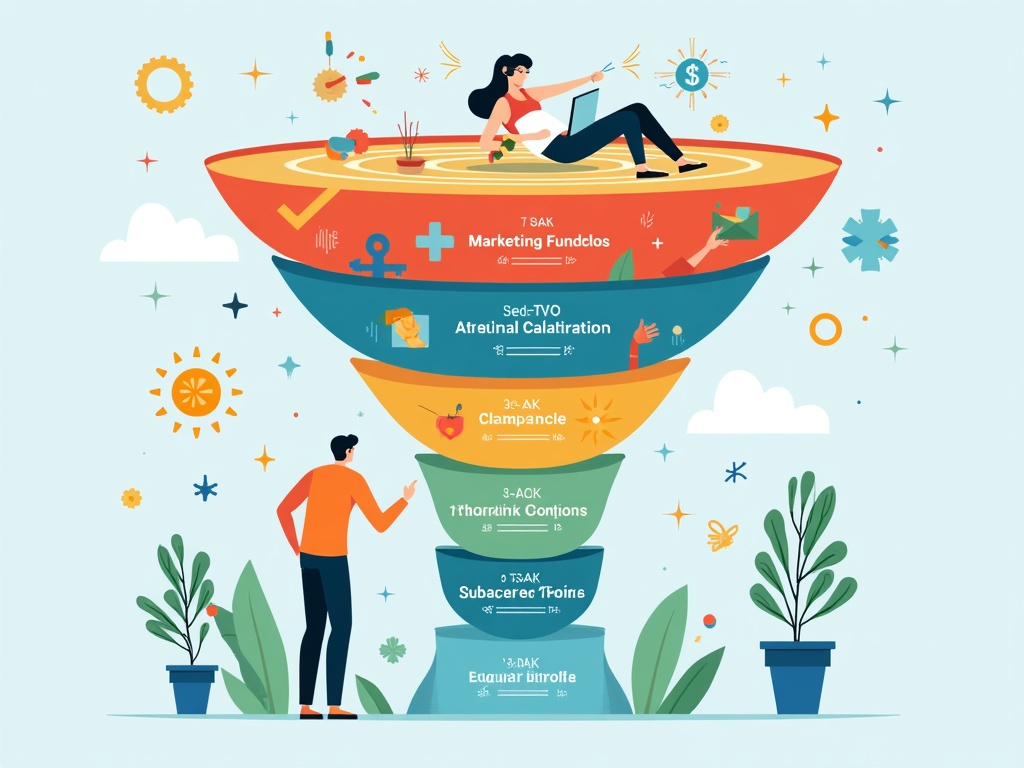
The Marketing Funnel: A Visual Analogy
The term marketing funnel itself gives you a big clue. Think of a funnel you’d use in the kitchen. Wide at the top, narrow at the bottom. Here's how that translates to your business:
- Top of Funnel (TOFU): This is the widest part. It represents the initial stage where you're attracting a large audience. They're not necessarily looking to buy *yourspecific product or service yet; they're just realizing they have a problem.
- Middle of Funnel (MOFU): The funnel starts to narrow. Here, you're nurturing those leads who showed initial interest. You're providing them with valuable information and building trust. They're considering different solutions to their problem.
- Bottom of Funnel (BOFU): The narrowest part. This is where sales happen. You're presenting your offer to qualified leads who are ready to buy. These prospects understand your value and are making a purchase decision.
Why Bother With a Marketing Funnel?
Why not just blast everyone with sales messages? Because it's ineffective, annoying, and a waste of resources. A well-designed marketing funnel offers several key advantages:
- Attract the Right People: Instead of chasing everyone, you focus on attracting individuals who are genuinely interested in what you offer.
- Build Trust and Authority: You provide value at every stage, positioning yourself as a helpful resource rather than just a salesperson.
- Increase Conversion Rates: By nurturing leads and guiding them through the buying process, you significantly increase the likelihood of them becoming customers.
- Improve Customer Lifetime Value: A well-managed funnel doesn't end with the first sale; it focuses on building long-term relationships, encouraging repeat business and referrals.
- Scalability: Once you've created and optimized your funnel, it can work for you 24/7, generating leads and sales even while you sleep.
The Traditional AIDA Model: The Funnel's Foundation
The modern marketing funnel is often based on the AIDA model, which stands for:
- Awareness: Making potential customers aware of your existence and the problems you solve.
- Interest: Sparking their interest by providing valuable content and showcasing the benefits of your offerings.
- Desire: Cultivating a desire for your specific product or service by highlighting its unique advantages and building an emotional connection.
- Action: Prompting them to take action, such as making a purchase, signing up for a trial, or contacting you for more information.
Think of your marketing efforts as guiding your audience through these four stages. Each piece of content, each interaction, should be designed to move them closer to taking that final action.
Mapping Out *YourSimple Marketing Funnel (No Tech Required!)
You don't need fancy software or complicated automation to create a successful marketing funnel. Here's how to build one the old-fashioned way:
1. Awareness (TOFU): Getting Noticed
Focus on attracting a broad audience by creating content that addresses their pain points and introduces your brand. What common questions do your ideal customers have? What problems are they trying to solve?
Simple tactics:
- Guest Blogging: Write helpful articles for other websites that cater to your target audience. Include a link back to your website.
- Social Media Engagement: Share useful tips, answer questions, and participate in relevant conversations on platforms like Facebook, LinkedIn, or Instagram. Don't just promote; engage!
- Word-of-Mouth Marketing: Encourage satisfied customers to spread the word about your business. Offer referral bonuses or incentives.
- Local Community Involvement: Attend local events, join business networking groups, or sponsor a community project.
- Free Workshops or Webinars (Offline or Online): Share your expertise and offer valuable insights to a wider audience.
Content Examples:
- Blog posts addressing common industry challenges.
- Informative social media updates.
- How-to guides or checklists.
- Infographics with interesting data and stats.
2. Interest (MOFU): Building Relationships
Once you've captured their attention, nurture those leads by providing more in-depth information and building trust. Show them that you understand their needs and that you have the solutions they're looking for.
Simple Tactics:
- Email Newsletter: Offer a valuable freebie (e.g., an ebook, template, or checklist) in exchange for their email address. Then, send regular emails with helpful content, exclusive offers, and updates.
- Free Consultations or Assessments: Offer a no-obligation consultation to discuss their specific needs and provide personalized recommendations.
- Case Studies or Testimonials: Showcase the success stories of your existing customers. Let them speak to the value of your products or services.
- Behind-the-Scenes Content: Give your audience a peek into your company culture, your values, and your processes. Build a personal connection.
Content Examples:
- Detailed guides or white papers on specific topics.
- Email sequences that educate leads about your industry.
- Webinars demonstrating how your products or services work.
- Customer success stories.
3. Desire (MOFU/BOFU): Showcasing Your Value
This stage is about solidifying the desire for *yourspecific solution. You've built trust and provided value; now, highlight what makes you different and why they should choose you over the competition.
Simple Tactics:
- Product Demos or Trials: Let potential customers experience the benefits of your products or services firsthand.
- Comparison Charts or Guides: Show how your offerings stack up against the competition. Focus on your unique strengths and advantages.
- Limited-Time Offers or Discounts: Create a sense of urgency and encourage them to take action now.
- Address Objections: Anticipate and address any concerns or hesitations they might have.
Content Examples:
- Video demonstrations showcasing your product features.
- Detailed pricing pages with different package options.
- Case studies with quantifiable results.
- FAQs addressing common customer concerns.
4. Action (BOFU): Closing the Deal
Make it easy for leads to take the final step and become customers. Simplify the purchasing process and provide clear instructions.
Simple Tactics:
- Clear Calls to Action: Use strong and specific calls to action (e.g., Buy Now, Sign Up Today, Get a Free Quote).
- Easy Ordering Process: Streamline the checkout process and make it as frictionless as possible.
- Flexible Payment Options: Offer a variety of payment methods to cater to different preferences.
- Personalized Follow-Up: Respond promptly to inquiries and provide personalized support.
Content Examples:
- Landing pages with clear conversion goals.
- Sales emails with compelling offers.
- Order forms with easy-to-understand instructions.
Tracking Your Funnel (Still No Tech Tricks!)
You don't need fancy analytics dashboards to track your funnel's performance. Here are some simple ways to measure your progress:
- Website Traffic: Monitor your website traffic to see if your awareness efforts are working. Use a simple counter or ask your web host for basic traffic statistics.
- Lead Generation: Track the number of leads you're generating through your various marketing activities. Keep a simple spreadsheet.
- Conversion Rates: Calculate the percentage of leads who are converting into customers.
- Customer Feedback: Ask your customers how they found you and what influenced their decision to buy.
- Sales Data: Monitor your sales revenue to see if your funnel is driving business growth.
Troubleshooting & Optimizing
Is your funnel leaking? Are you losing leads at a particular stage? Here are some common bottlenecks and how to address them:
- Problem: Not enough leads entering the funnel (TOFU). Solution: Increase your awareness efforts. Try different content formats, experiment with new channels, and focus on attracting a wider audience.
- Problem: Leads are losing interest in the middle of the funnel (MOFU). Solution: Improve your lead nurturing efforts. Provide more valuable content, personalize your communication, and build stronger relationships.
- Problem: Leads are hesitant to buy at the bottom of the funnel (BOFU). Solution: Address their concerns, offer incentives, and make it easier for them to take action.
- Problem: Low conversion rates. Solution: A/B test different elements of your funnel, such as your calls to action, your landing pages, or your email subject lines.
The Marketing Funnel is a Journey, Not a Destination
Remember, a marketing funnel isn't a one-time setup. It's an ongoing process of experimentation, optimization, and refinement. Continuously test different strategies, track your results, and adapt your approach based on what works best for your business. By focusing on providing value, building relationships, and guiding your leads through the buying process, you can create a marketing funnel that drives sustainable growth and helps you achieve your business goals. It’s about understanding your customer’s journey and being there to help them along the way. And you can do it all, simply, without being overwhelmed by tech at every turn.