How to Start a Group Coaching Program: Scale Your Impact and Income
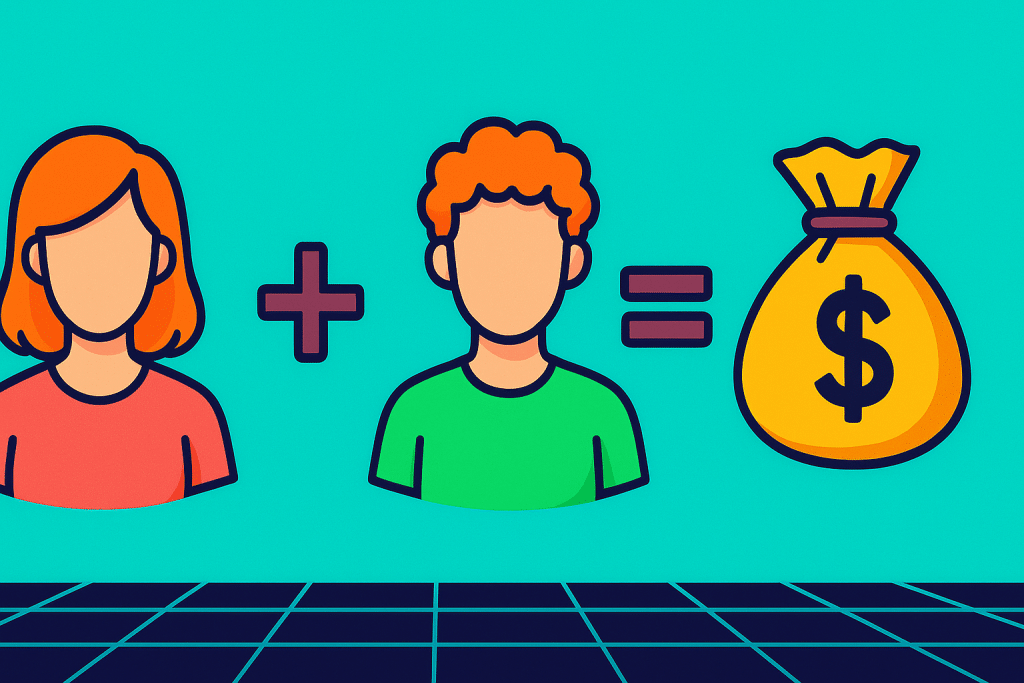
Imagine transforming not just one life, but a roomful of them. Picture scaling your expertise, amplifying your impact, and generating a more consistent income stream, all while fostering a supportive community. Starting a group coaching program can turn that vision into reality. But where do you begin? This comprehensive guide will take you step-by-step through the process of creating, launching, and running a successful group coaching program that benefits both you and your clients.
Why Start a Group Coaching Program?
Before diving into the “how,” let’s explore the “why.” Group coaching offers compelling advantages for both coaches and clients.
Benefits for Coaches:
- Increased Revenue: Leverage your time by serving multiple clients simultaneously.
- Enhanced Impact: Reach a wider audience and contribute to more lives.
- Sustainable Business Model: Create a more predictable and scalable income stream.
- Professional Growth: Sharpen your coaching skills by working with diverse personalities and challenges.
- Reduced Isolation: Connect with other professionals and foster a sense of community.
Benefits for Clients:
- Affordability: Group coaching is typically more budget-friendly than one-on-one sessions.
- Community Support: Clients benefit from peer learning, encouragement, and accountability.
- Diverse Perspectives: Hear different viewpoints and gain broader insights.
- Networking Opportunities: Connect with like-minded individuals and build valuable relationships.
- Shared Experience: Realize they are not alone in their struggles and celebrate shared successes.
Step-by-Step Guide: Launching Your Group Coaching Program
Now that you're convinced of the value, let's explore the practical steps involved in creating your own program.
1. Define Your Niche and Ideal Client
The most successful group coaching programs address a specific need for a clearly defined target audience. Consider these questions:
- What are you exceptionally good at coaching?
- What kind of clients do you enjoy working with most?
- What are the common challenges your ideal client faces?
- What transformations do you help them achieve?
Instead of offering a generic “life coaching” program, consider specializing in areas like:
- Career Transition Coaching: Helping professionals navigate job changes.
- Leadership Development Coaching: Empowering managers to become effective leaders.
- Relationship Coaching: Guiding individuals to build healthier and more fulfilling relationships.
- Financial Wellness Coaching: Supporting clients in achieving their financial goals.
- Health and Wellness Coaching: Helping individuals adopt healthier lifestyles.
Defining your niche not only attracts the right clients but also positions you as an expert in your field.
2. Develop Your Program Curriculum
Your curriculum is the roadmap that guides your clients from their current state to their desired outcome. It needs to be well-structured, engaging, and deliver tangible results.
**Identify Key Learning Modules:Break down the overall goal into smaller, manageable modules. For example, a career transition coaching program might include modules on self-assessment, resume building, networking, and interview skills.
**Outline the Content for Each Module: Determine the specific topics you'll cover within each module and the learning activities you'll use.
**Choose Your Coaching Methods: Consider incorporating a variety of methods, such as:
Teaching and Instruction: Providing information, concepts, and frameworks.
Group Discussions: Facilitating knowledge sharing and peer learning.
Individual Exercises: Encouraging self-reflection and practical application.
Role-Playing: Practicing skills in a safe and supportive environment.
Guest Speakers: Bringing in experts to share their knowledge and insights.
**Design Engaging Activities: Incorporate interactive elements to keep participants engaged and motivated. Quizzes, polls, case studies, and group projects can enhance the learning experience.
**Create Supporting Materials: Develop worksheets, templates, checklists, and reading lists to supplement your coaching sessions.
3. Determine Your Program Format and Structure
How will your program be delivered, and how long will it last? Here are some key considerations:
**Delivery Method:**
Online: Utilize video conferencing platforms like Zoom, Google Meet, or Microsoft Teams. This offers flexibility and accessibility for clients worldwide.
In-Person: Conduct sessions in a physical location, such as a conference room, co-working space, or community center. This fosters a strong sense of community and allows for face-to-face interaction.
Hybrid: Combine online and in-person sessions to offer the best of both worlds.
**Program Length:Determine the duration of your program, typically ranging from several weeks to several months. A longer program allows for deeper learning and greater transformation.
**Session Frequency and Duration:Decide how often you'll meet with your group and how long each session will last. Weekly sessions lasting 60-90 minutes are common.
**Group Size: Choose a group size that allows for effective interaction and personalized attention. A group of 6-12 participants is often ideal.
**Schedule: Select dates and times that are convenient for your target audience, considering their time zones and work schedules.
4. Set Your Pricing and Payment Options
Pricing your group coaching program requires careful consideration of your value, costs, and market rates.
**Research Market Rates: Investigate what other coaches in your niche are charging for similar programs.
**Calculate Your Costs: Factor in your time, materials, marketing expenses, and overhead costs.
**Determine Your Value: Consider the tangible results and transformational benefits your program offers.
**Choose a Pricing Model:**
Fixed Price: A single fee for the entire program.
**Monthly Subscription: A recurring fee for ongoing access to the program.
Payment Plan: Allow clients to pay in installments.
**Offer Incentives:Consider early bird discounts, referral bonuses, or bundled packages to attract clients.
**Clearly Define Your Payment Policy:Outline your refund policy, cancellation policy, and payment terms.
5. Market Your Program Effectively
Attracting the right clients is crucial for the success of your group coaching program.
**Build an Email List:Offer a free lead magnet, such as an ebook or webinar, in exchange for email addresses.
**Create a Compelling Landing Page: Showcase the benefits of your program and include testimonials, FAQs, and a clear call to action.
**Leverage Social Media: Share valuable content, engage with your audience, and run targeted advertising campaigns.
**Network Strategically: Attend industry events, join online communities, and connect with potential clients.
**Offer Free Introductory Sessions: Give potential clients a taste of your coaching style and the value of your program.
**Solicit Testimonials: Request testimonials from satisfied clients to build credibility and social proof.
6. Facilitate Engaging and Transformative Sessions
The effectiveness of your group coaching program hinges on your ability to facilitate engaging and transformative sessions.
**Create a Safe and Supportive Environment:Foster a culture of trust, respect, and confidentiality.
**Set Clear Expectations: Communicate the program goals, ground rules, and roles of participants.
**Start Each Session with a Check-In: Give participants an opportunity to share their progress, challenges, and intentions.
**Facilitate Meaningful Discussions: Encourage active listening, respectful dialogue, and constructive feedback.
**Provide Personalized Support: Offer individual guidance and encouragement to help participants overcome their challenges.
**End Each Session with Action Steps: Assign homework and tasks to help participants apply what they've learned in their daily lives.
**Gather Feedback and Improve Continuously: Solicit feedback from participants throughout the program and use it to refine your curriculum and delivery.
Tools and Technologies for Group Coaching
Leveraging the right tools and technologies can streamline your workflow and enhance the client experience.
**Video Conferencing Platform:Zoom, Google Meet, Microsoft Teams.
**Learning Management System (LMS):Teachable, Thinkific, Kajabi.
**Email Marketing Software:Mailchimp, ConvertKit, AWeber.
**Scheduling Tool:Calendly, Acuity Scheduling.
**Project Management Tool:Trello, Asana.
**Collaboration Platform:Slack, Microsoft Teams.
Common Challenges and How to Overcome Them
Starting a group coaching program isn't without its challenges. Here are some common hurdles and strategies to address them:
**Difficulty Attracting Clients:Refine your marketing efforts, target a more specific niche, or offer a free introductory session.
**Managing Different Personalities: Establish clear ground rules, facilitate open communication, and address conflicts promptly.
**Maintaining Engagement: Incorporate interactive activities, provide personalized support, and create a sense of community.
**Dealing with Technical Issues: Provide clear instructions, offer technical support, and have a backup plan in case of emergencies.
**Scaling Your Program: Automate administrative tasks, delegate responsibilities, and consider hiring a virtual assistant.
Beyond the Basics: Advanced Strategies for Group Coaching Success
Once you've mastered the fundamentals, consider implementing these advanced strategies to elevate your group coaching program:
**Create a Membership Community: Offer ongoing support, resources, and networking opportunities to program alumni.
**Develop a Certification Program: Train and certify other coaches to deliver your program.
**Partner with Other Businesses: Collaborate with complementary businesses to reach a wider audience.
**Write a Book or Create an Online Course: Establish yourself as an authority in your niche and generate passive income.
**Speak at Industry Events: Share your expertise and attract new clients.
Conclusion
Starting a group coaching program is a journey, not a destination. It requires dedication, effort, and a willingness to learn and adapt. But the rewards – both personally and professionally – are immense. By following these steps and embracing a growth mindset, you can create a thriving group coaching program that empowers your clients to achieve their goals and transforms your business into a scalable force for good. So, are you ready to unlock your potential and scale your impact? The world needs your expertise, and group coaching is a powerful way to share it.